Introduction to Neural Data Privacy




Definition of Neural Data Privacy







Importance of Data Privacy in Neuroscience
Data privacy in neuroscience safeguards individuals against unauthorized access and potential misuse of sensitive neurological information. With emerging technologies collecting vast amounts of brain data, ensuring privacy is paramount to maintain public trust and promote responsible research.




Overview of Current Trends
Current trends in neural data privacy highlight the development of frameworks and policies focused solely on safeguarding neural information. Certifications aimed at reinforcing data privacy practices are emerging to establish standards and build accountability within the neuroscience community.

Concept and Purpose
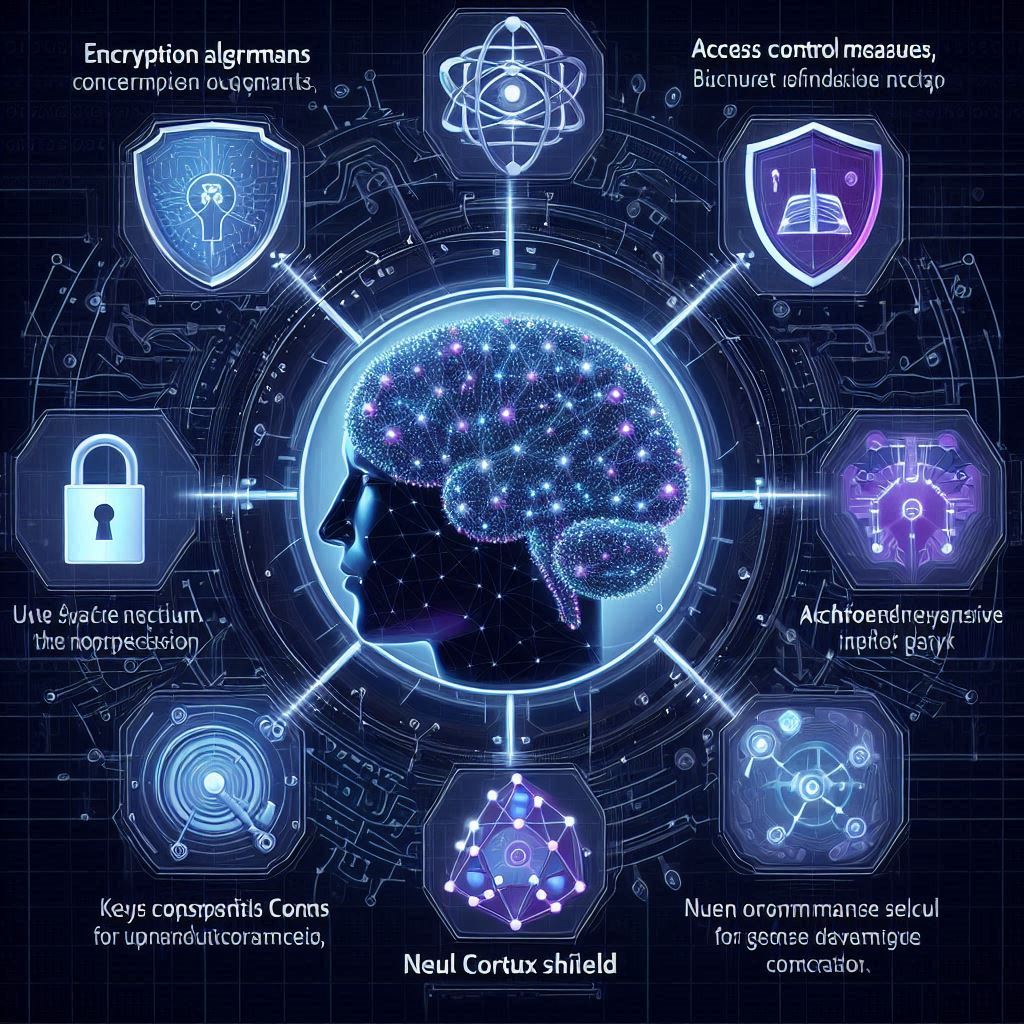
The Neural Cortex Shield is designed to protect the integrity and confidentiality of neural data. By establishing a dedicated framework for data privacy, it mitigates risks associated with unauthorized access and misuse, thus enhancing user trust in neural technology applications.


Components of the Neural Cortex Shield
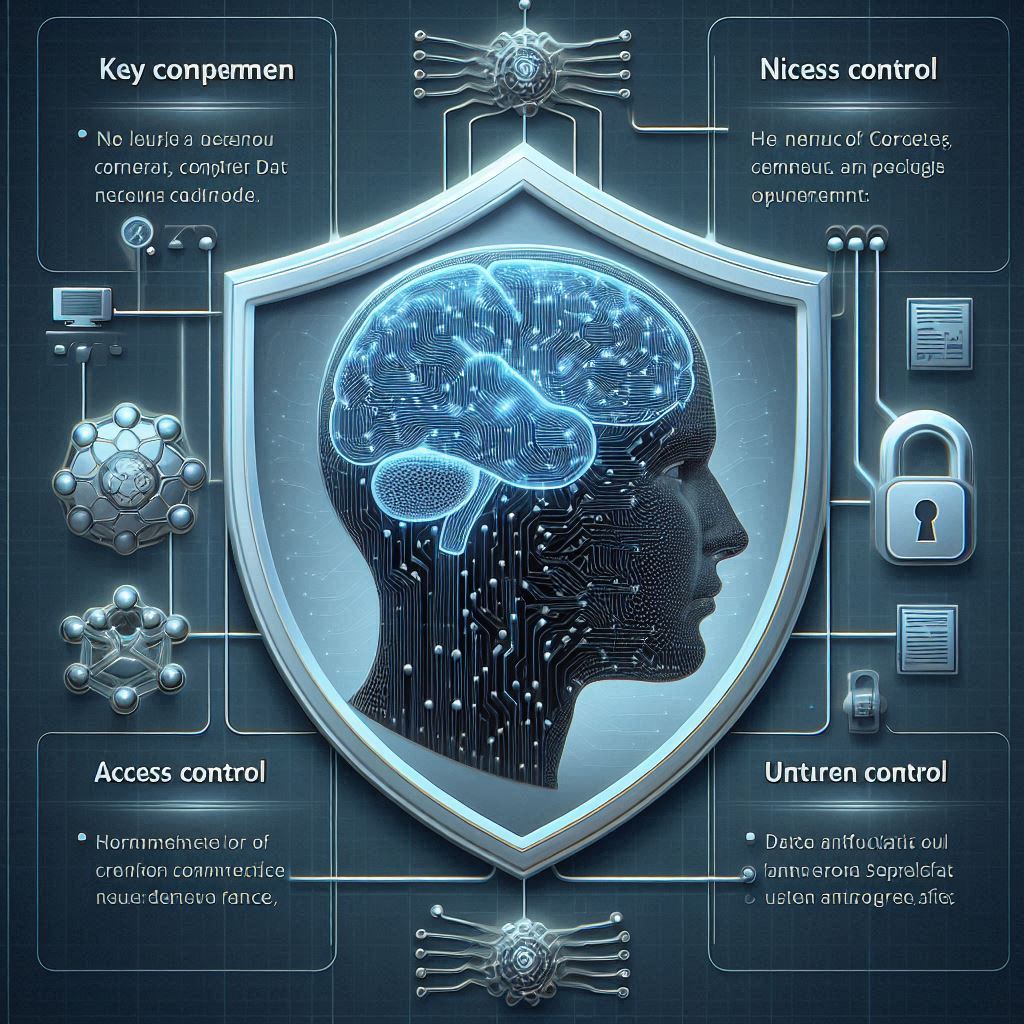
Key components include encryption algorithms, access control measures, and user consent protocols. These elements work synergistically to create a robust defense against potential data breaches, ensuring that sensitive neural information remains secure.

How It Protects Neural Data
The Neural Cortex Shield employs multi-layered security strategies, including real-time monitoring and anomaly detection systems. This proactive approach ensures that any unauthorized activity is quickly identified and mitigated, thus preserving the confidentiality of neural data.
Overview of Certifications
Neural data privacy certifications verify that organizations adhere to strict standards for data protection. These certifications often include evaluation of data handling practices and compliance with legal frameworks, providing assurance to stakeholders about the integrity of neural data processing.


Importance of Certifications
Certifications enhance trust among consumers and clients by demonstrating a commitment to safeguarding sensitive neural data. They also mitigate risks of data breaches and legal consequences, which can impact an organization’s reputation and financial stability.
Framework for Certification Processes
Certification processes typically involve rigorous assessment, including audits and evaluations against established standards. This framework not only ensures compliance but also fosters continuous improvement in data handling practices among organizations.




Emerging Technologies
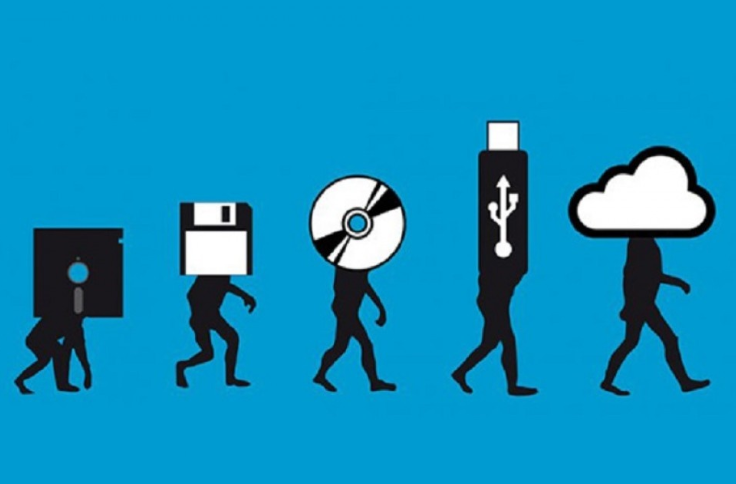
In the rapidly advancing field of neuroscience, technologies such as Al-driven privacy protocols and blockchain for data integrity are emerging. These solutions not only enhance data protection but also ensure compliance with privacy regulations.




Challenges Ahead
Despite advancements, significant challenges remain, including ethical dilemmas and the potential for misuse of neural data. Ensuring trust and accountability among stakeholders is crucial for successful privacy initiatives



Conclusion and Call to Action
The future of neural data privacy hinges on robust certifications and innovative technologies. Stakeholders must collaborate to create a secure framework that upholds individual rights while fostering research and development.